About me
People, work, and
the life around it.
I'm Marissa, though at work most people call me MD. I'm a People executive, writer, poet, wife, and mom of three.
I've spent my career trying to understand what helps people do great work, what gets in their way, and what managers can do about it. The answer is rarely another generic playbook. It usually starts with paying attention.
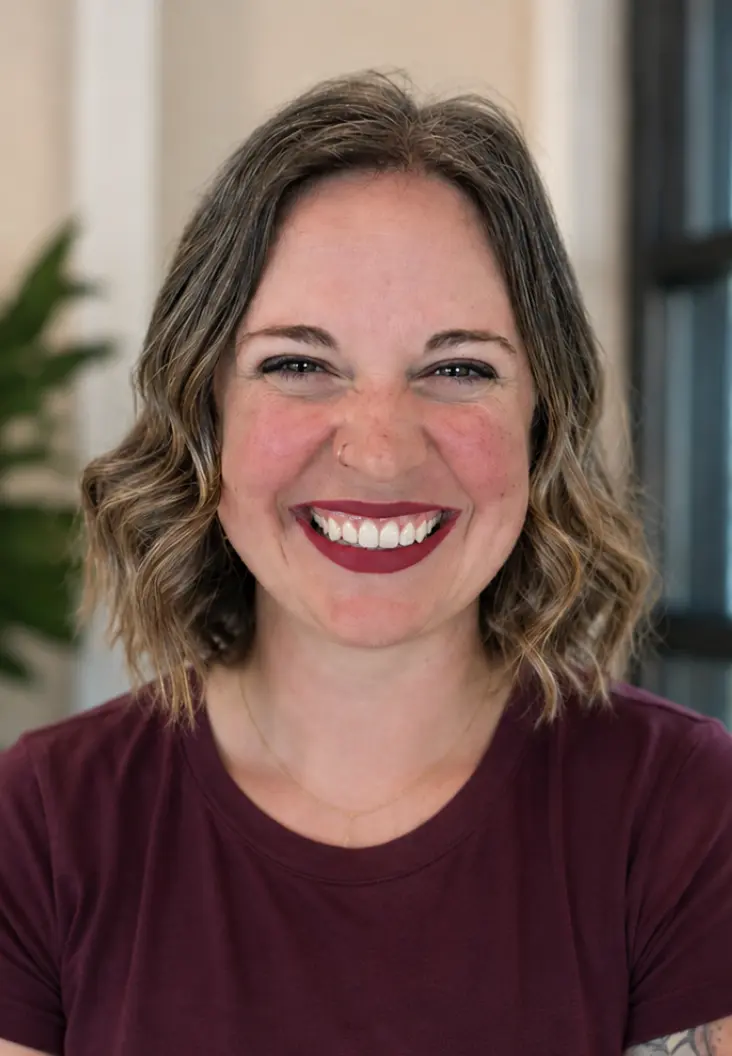
People leader. Writer. Poet.
Wife and mom of three.
My foundation
01I wanted to understand what makes work work.
I earned an MA in Positive Organizational Psychology and Evaluation from Claremont Graduate University.
I was drawn to a field that took both people and evidence seriously. It taught me to be optimistic about what organizations can become while still asking a practical question: Is what we built actually working?
That question still shapes how I lead. I want to understand the business, listen to the people closest to the work, and build something useful. If it is not working, I want to know why and make it better.
My career
02I learned how much a manager can change.
My career began as an HR business partner graduate intern at Disney Corporate. I went on to spend nearly a decade in HRBP roles, working alongside leaders and seeing how much a manager can shape someone's experience of work.
I experienced that personally, too. Early in my career, a leader at Disney saw more possibility in me than I could see in myself. She said it out loud, championed me, and changed what I imagined might be possible.
I have never forgotten what that felt like.
It is why I believe managers have a responsibility to pay attention, be honest, and help people see what they may not yet see in themselves. A manager does not need to have every answer. They do need to be clear, follow through, build trust, and remember that the person doing the work has a whole life outside of it.
What I believe
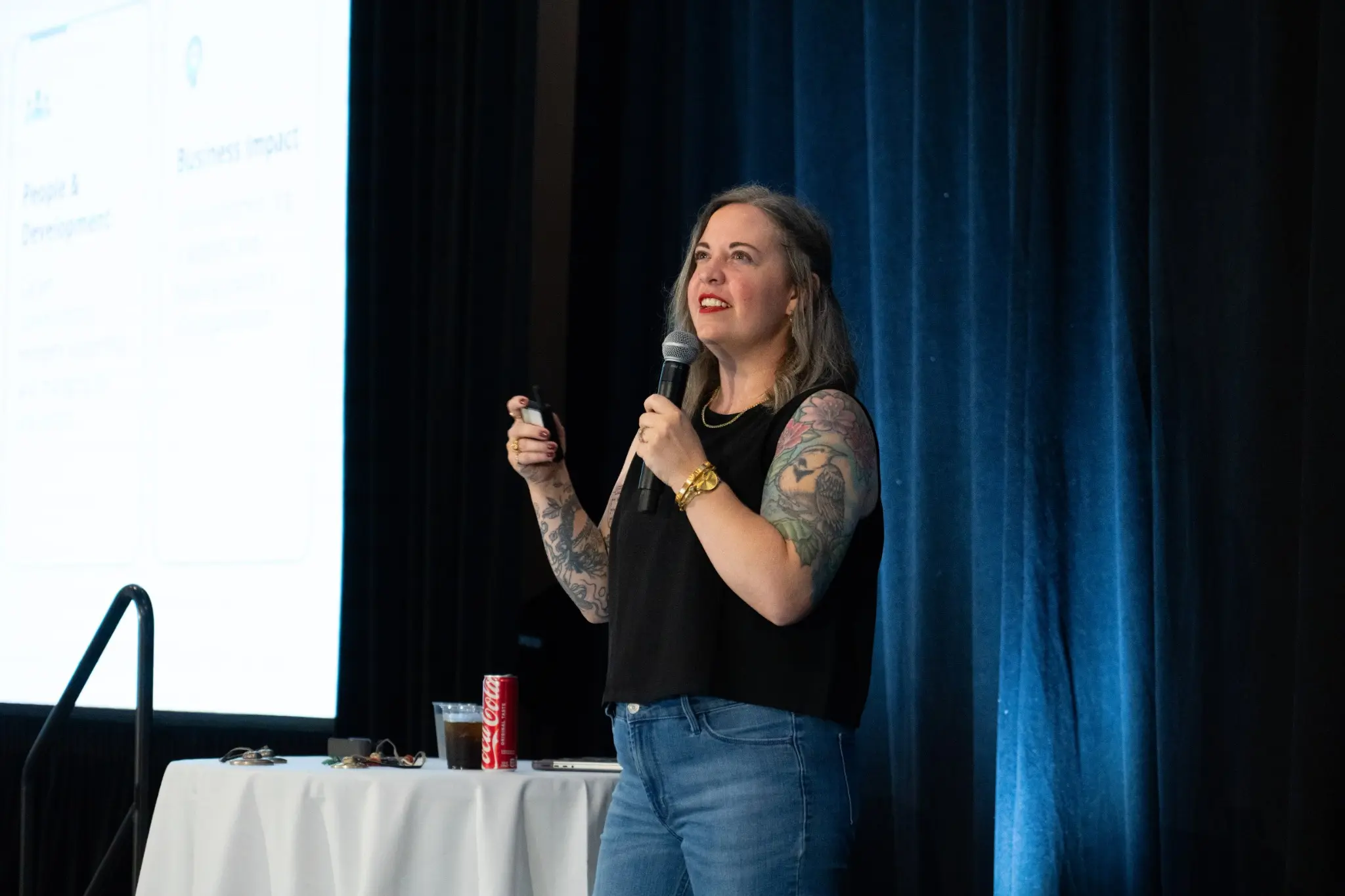
03My career goal is to be Mary Poppins.
I say that with some humor, but I mean it.
Wherever I work, I want to understand what the company and team need, help build the habits and systems that will make them stronger, and develop people who can carry the work forward. Then, someday, I want to take out my umbrella and fly away because they no longer need me in the same way.
That does not mean making the manager unimportant. It means refusing to make the manager the single point of failure. If every decision, relationship, or piece of knowledge depends on one person, the team may be productive, but it is not yet strong.
The best managers create an environment where people can do their best work while the manager is there. The very best build something that continues after they leave.
My career
04My work grew with the questions I was asking.
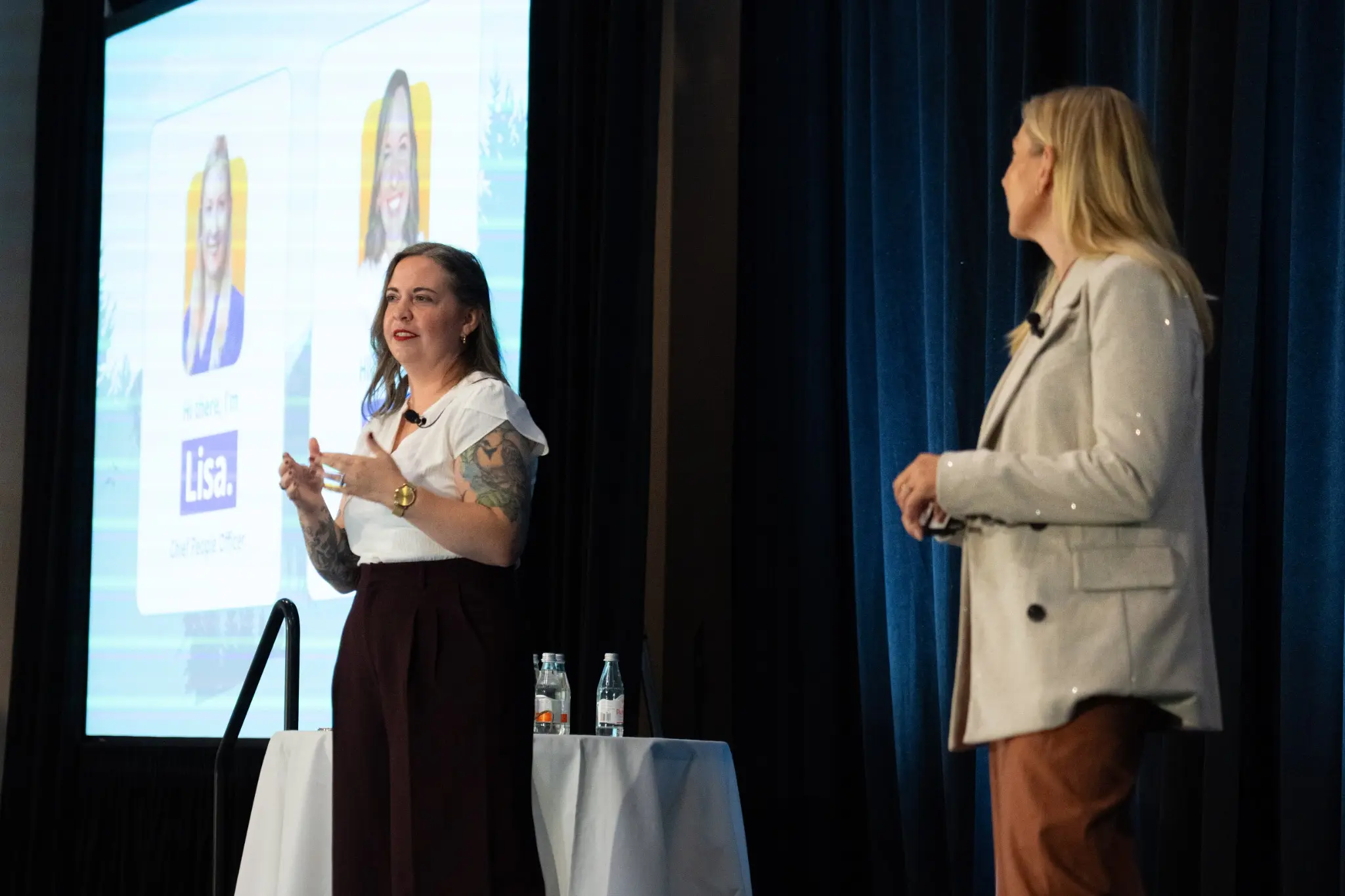
At Amplitude, I moved from HR business partnership into talent management and later became Head of Talent Development. That move gave me the opportunity to work not only with individual leaders, but also on the company-wide practices that shape how people join, grow, perform, and lead.
Today, I lead Talent Success and People Business Partners at Cribl. During my tenure, the company has grown from 500 to more than 1,000 employees and from $100M to more than $300M in ARR.
That growth has reinforced something I believe deeply: a practice that worked well somewhere else may be completely wrong for the company in front of you.
At Cribl, the traditional 9-box talent model did not fit how we talked about performance or developed our people. We replaced it with an approach built around how we actually evaluate performance, growth, and our values. When the first version did not create the candor we needed, we changed it. The result was more honest talent data and clearer decisions about who needed coaching, greater support, or a bigger opportunity.
That is the kind of work I care about: practical, thoughtful, and built to be used.
The rest of me
05I believe excellent work and a full life can coexist.
I care about holding a high bar, taking ownership, and delivering what I say I will. I also believe work should leave room for everything that makes someone a person.
For me, that includes my wife, our three children, writing poetry, revisiting my former band-kid years, and turning on music for kitchen dance parties.
My family and the life we are building together shape how I think about leadership. They remind me that work matters, but it is not the whole story. The best managers understand that.